The sanskrit name is derived from Bala (बाला) meaning child and āsana (आसन) meaning posture or seat.
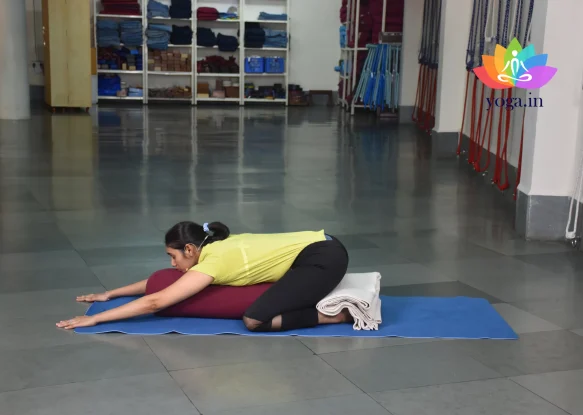
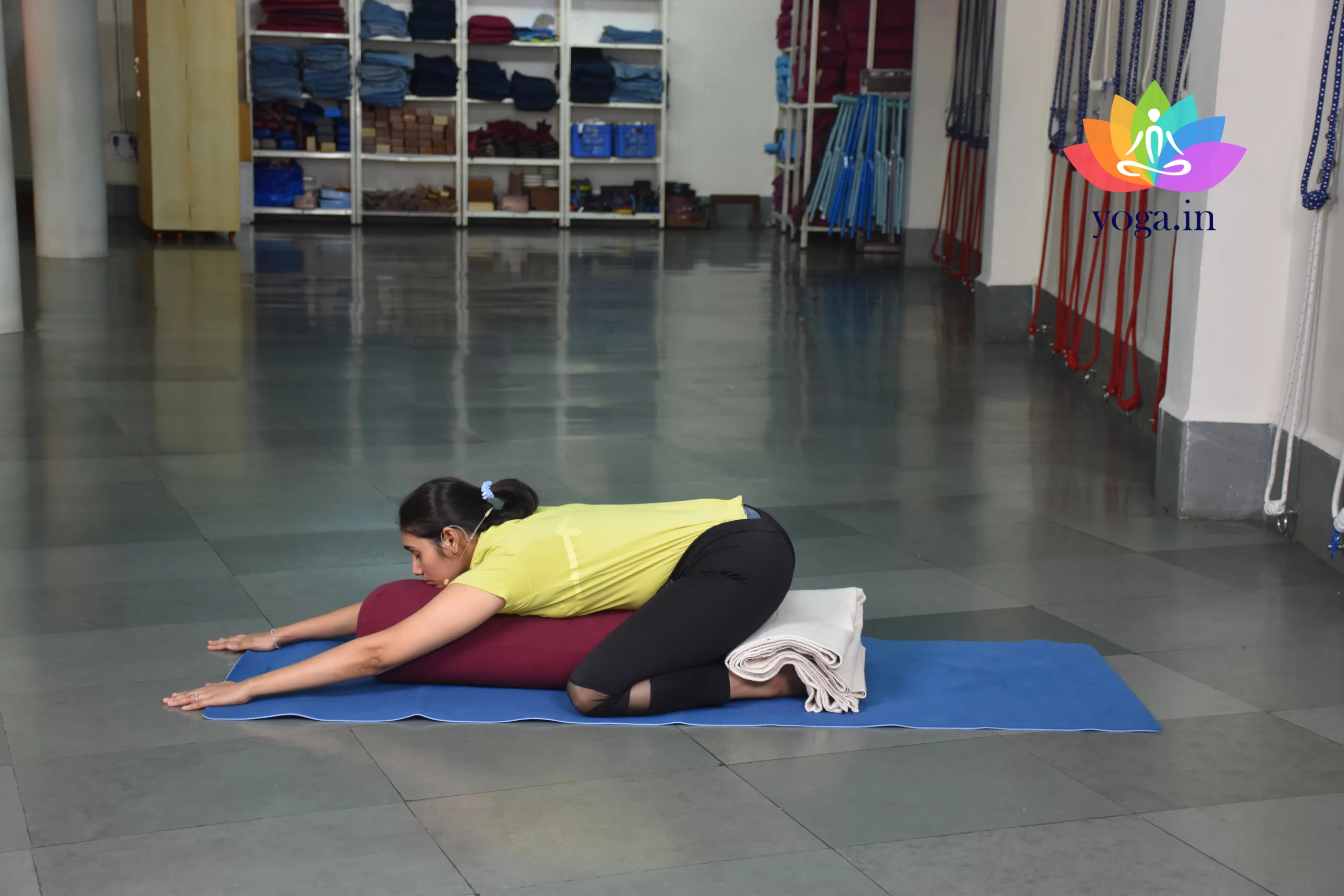
Start by kneeling on the mat, with your knees either together or hip-width apart.
Position your big toes to touch.
Move the bolster so it’s directly in front of you, lengthwise between your knees.
Slowly sit back onto your heels. Your buttocks should rest on your heels or the blanket for support.
As you exhale, lower your torso down onto the bolster.
Allow your chest and abdomen to rest fully on the bolster.
Extend your arms forward on the mat with your palms facing down.
Rest your forehead on the bolster.
Make any final adjustments to ensure you’re comfortable and well-supported.
Ensure that your shoulders are relaxed and away from your ears.
Focus on deep, even breathing.
Allow your belly to expand with each inhale and contract with each exhale, feeling supported by the bolster.
Stay in this pose for a few minutes, or as long as it feels comfortable.
Use this time to fully relax and let go of any tension.
lifting your body back into a seated position.
Extend your spine and keep it lengthened.
Relax your shoulders away from your ears and let them naturally drop towards the mat.
Not keeping feet flat while sitting on feet
Heels not touching the sitting bone while bending forward
Avoid in case of any injury or knee or hip pain
Avoid during pregnancy
Avoid in case of high or low blood pressure
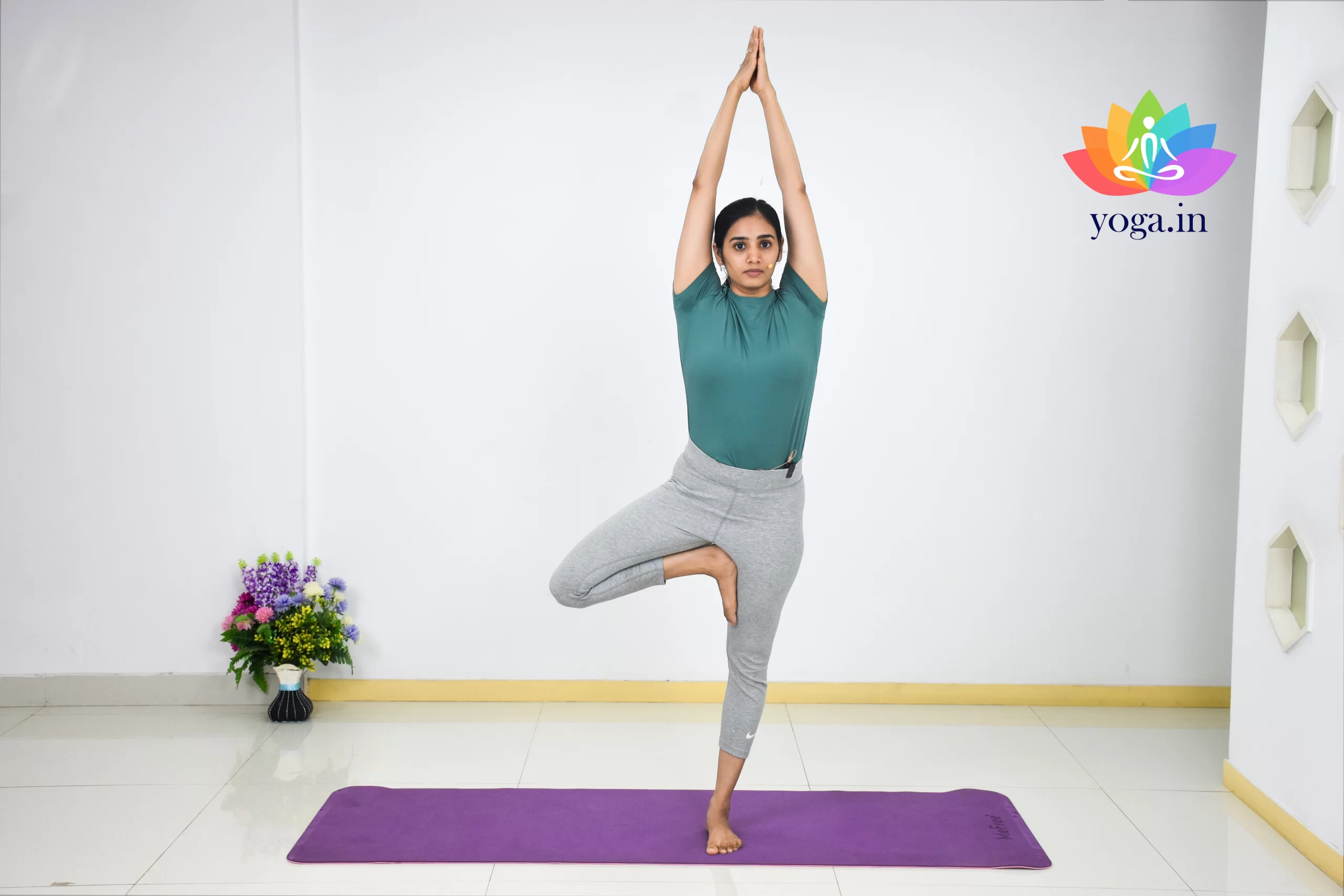
The Sanskrit name is derived from vrksa
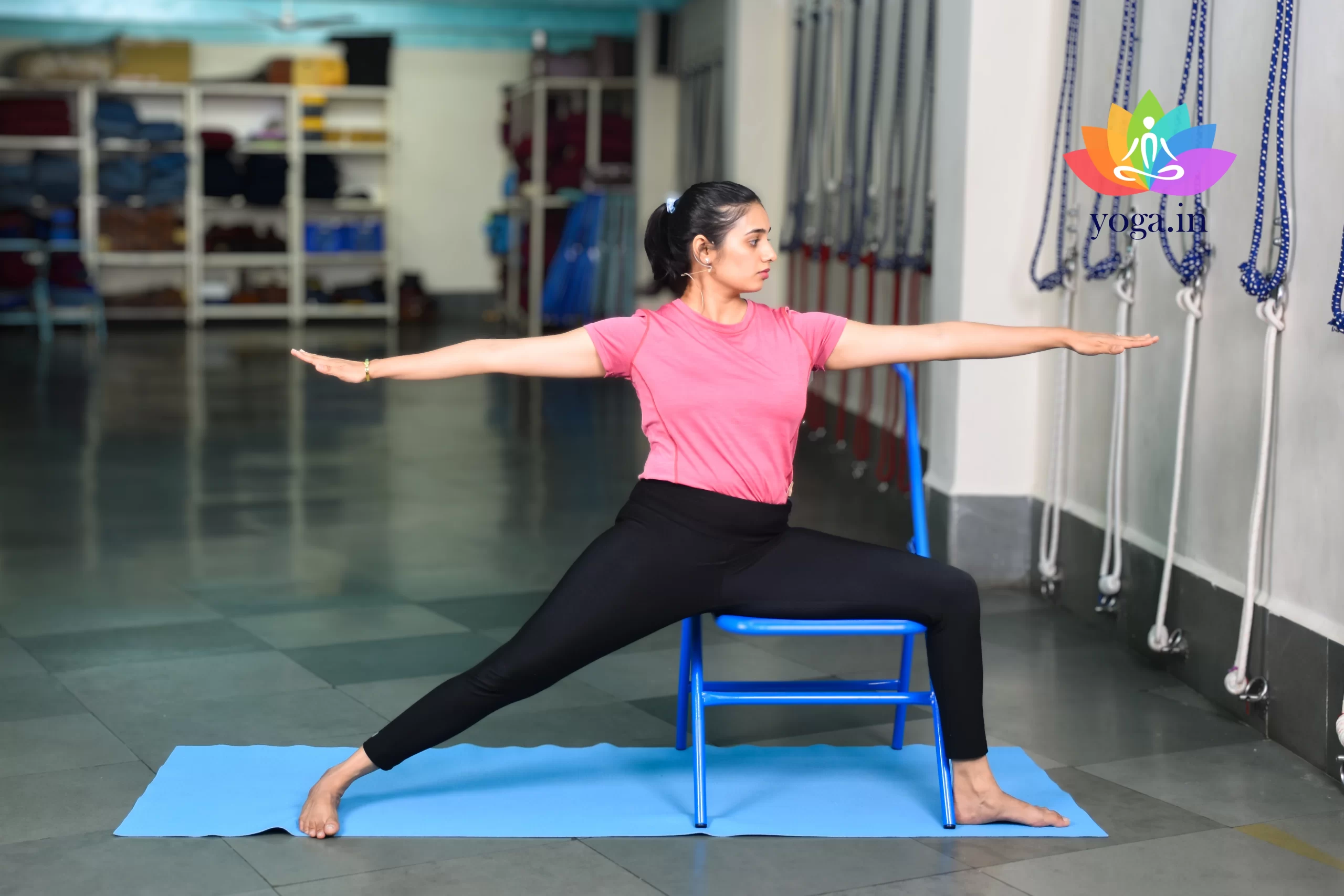
The Sanskrit name is derived from vira
The Sanskrit name is derived from Viparita
The Sanskrit name comes from the Utthita,
The name comes from the words उत्तान
The sanskrit name is derived from sirsa
Please login with social account to support this post.