High Blood Pressure

Lower Blood Pressure Naturally with Relaxing Yoga Practices

Home > Therapy Yoga > High Blood Pressure
What is High Blood Pressure?

High blood pressure, also known as hypertension, is a chronic condition where the force of blood pushing against your artery walls is consistently too high. This persistent pressure can damage your arteries and organs over time, leading to serious health complications.
Causes of High Blood Pressure
  • Unhealthy diet: Excessive salt and saturated fats contribute to elevated blood pressure.
  • Lack of physical activity: Sedentary lifestyles can lead to hypertension.
  • Smoking and excessive alcohol: Tobacco and alcohol use negatively impact blood pressure.
  • Stress and anxiety: Chronic stress can raise blood pressure levels.
  • Genetics and family history: Genetic factors play a role in hypertension development.
Symptoms of High Blood Pressure
  • Headaches: Persistent headaches may indicate elevated blood pressure.
  • Dizziness or light-headedness: Feeling unsteady or faint can be a sign of hypertension.
  • Blurred or double vision: Visual disturbances may accompany high blood pressure.
  • Shortness of breath: Difficulty breathing can result from increased blood pressure.
  • Chest pain: Pressure or discomfort in the chest may signal hypertension-related issues.
Yoga Asanas for High Blood Pressure
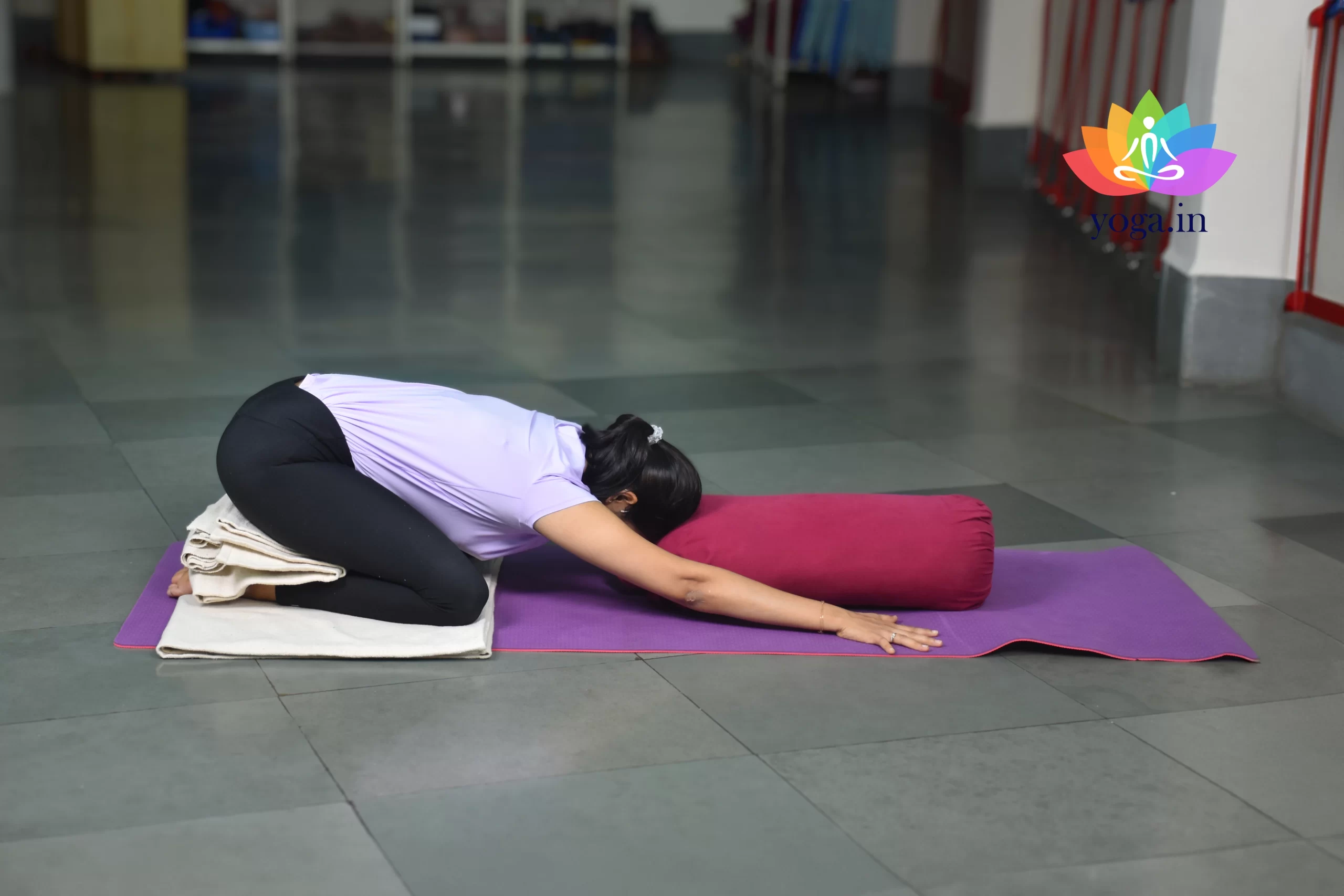
  • Adho Mukha Virasana for high blood pressure: Gently stretches the legs and improves circulation, making it beneficial for managing varicose veins. Its calming effect also helps reduce leg discomfort and swelling.
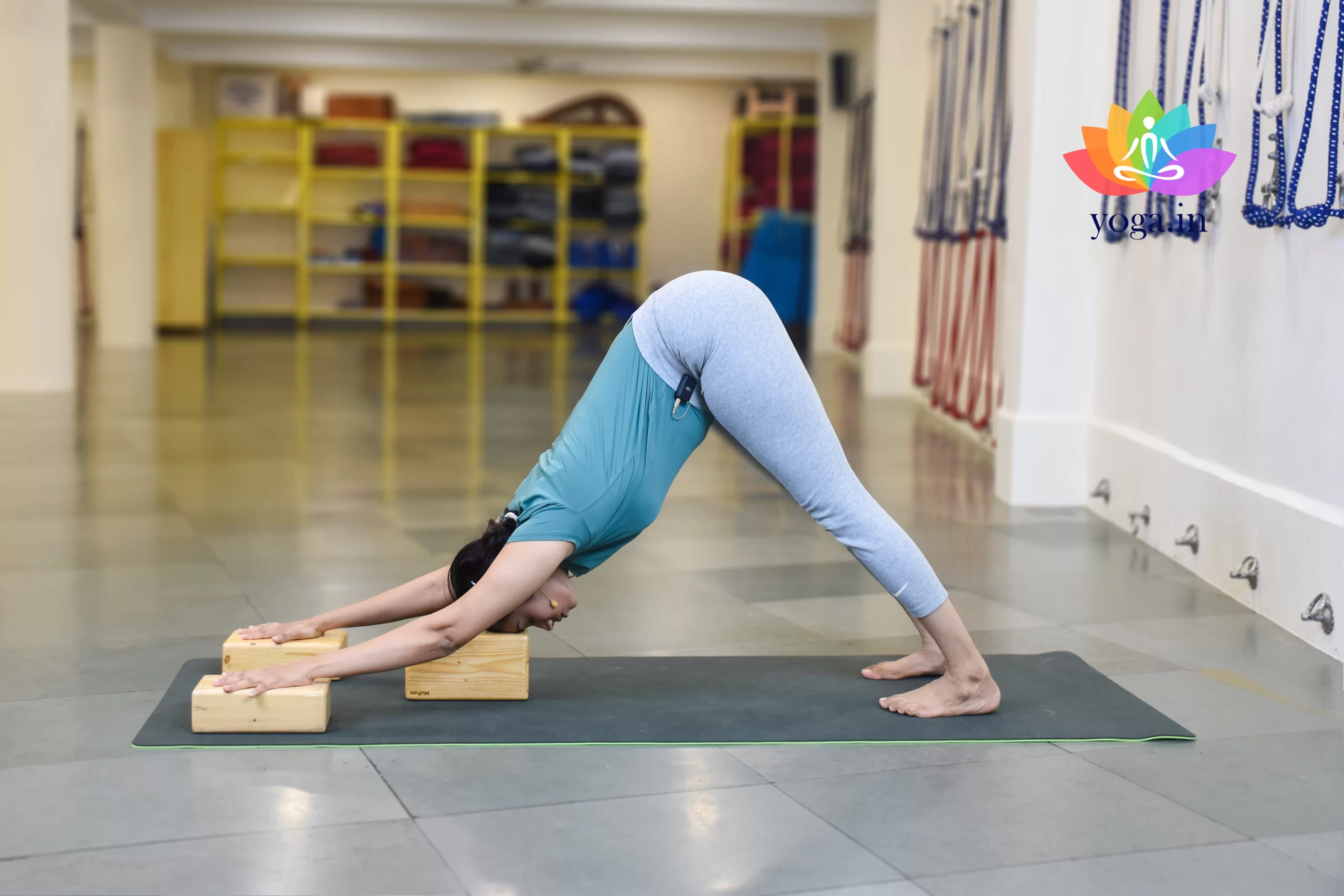
  • Adhomukha Svanasana for high blood pressure: Promotes relaxation, improves blood circulation, and helps alleviate stress, contributing to better blood pressure management.
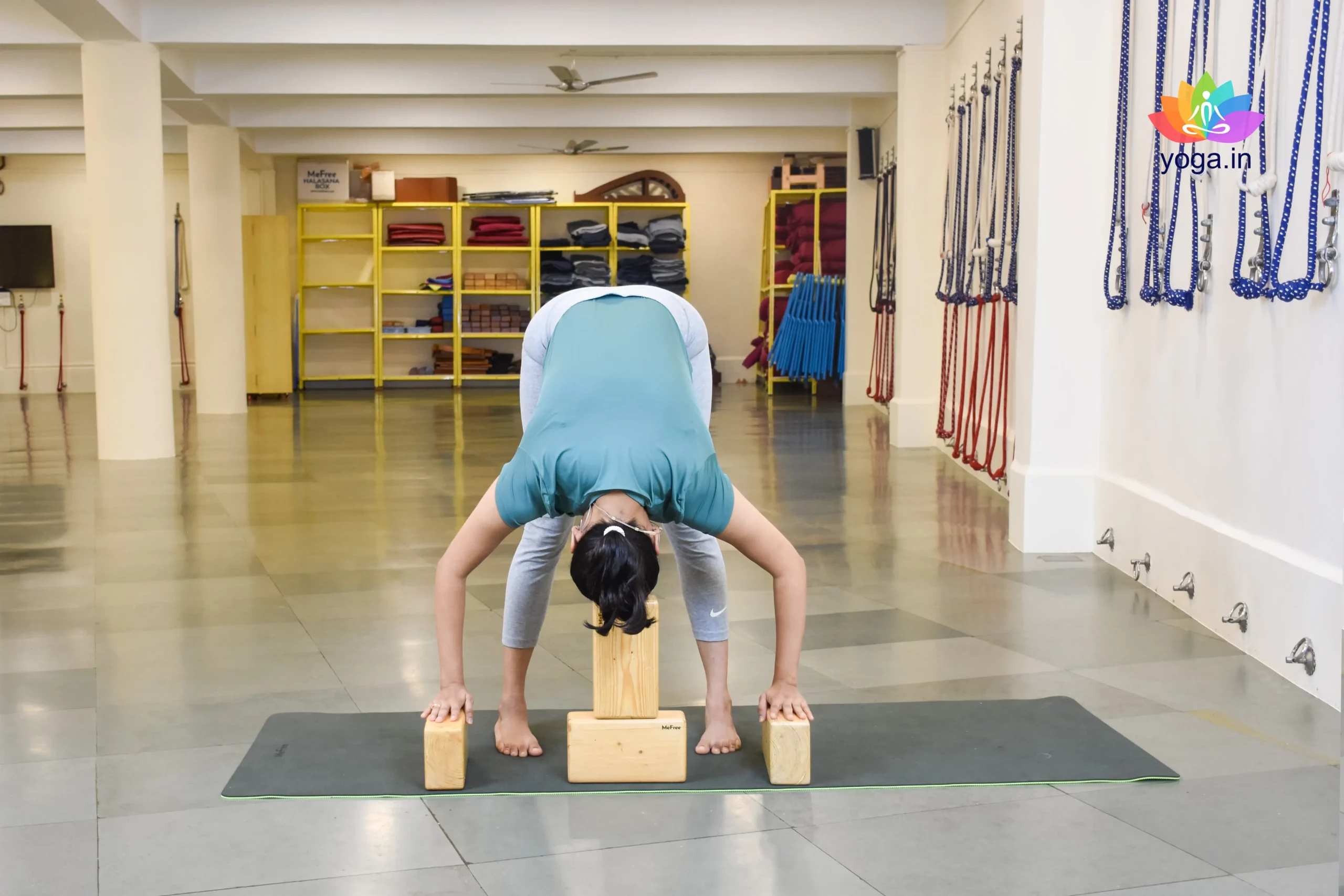
  • Uttanasana for high blood pressure: Helps improve blood circulation and relieve pressure in the legs, offering benefits for varicose veins. Using head support during the pose can provide additional comfort and reduce strain.
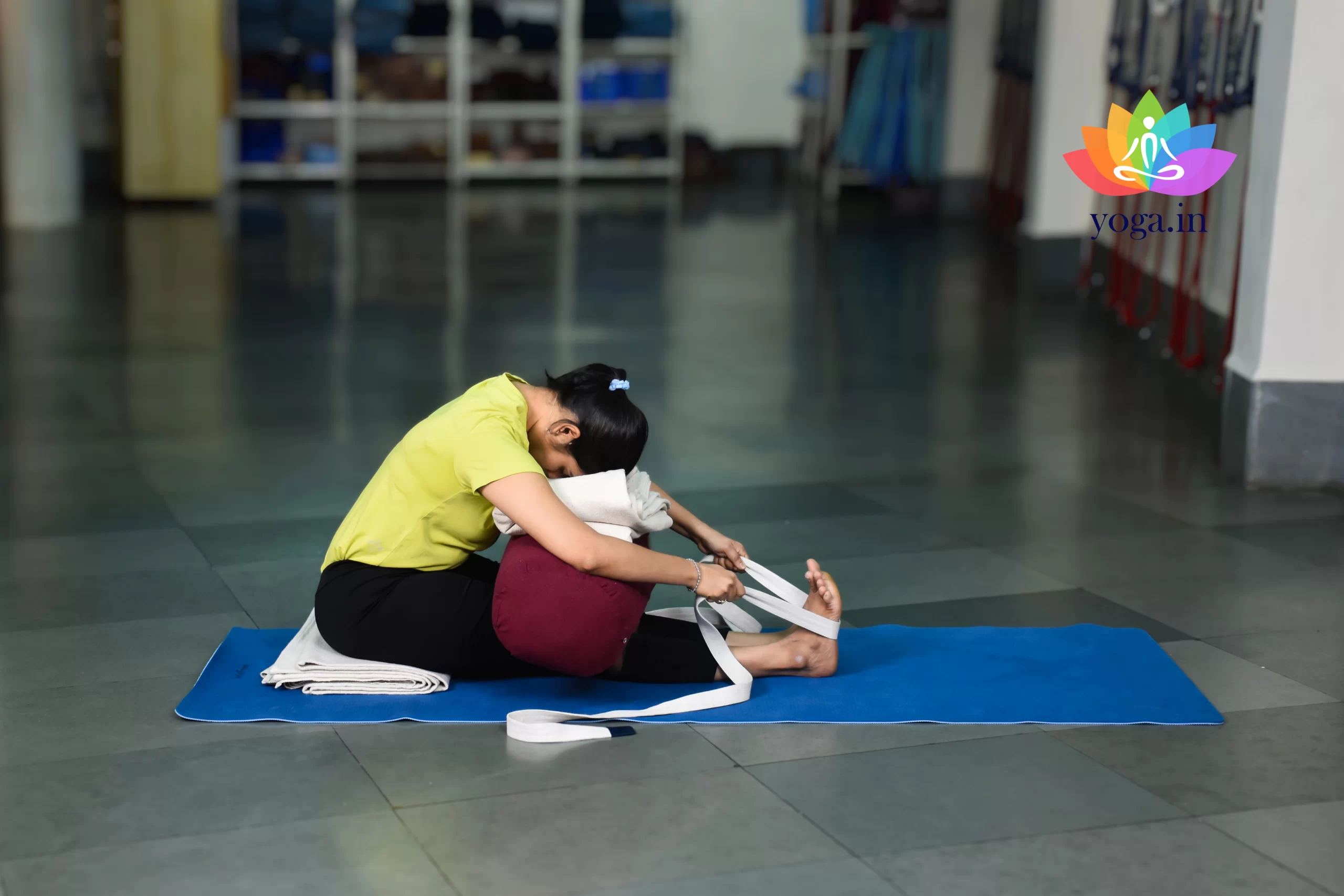
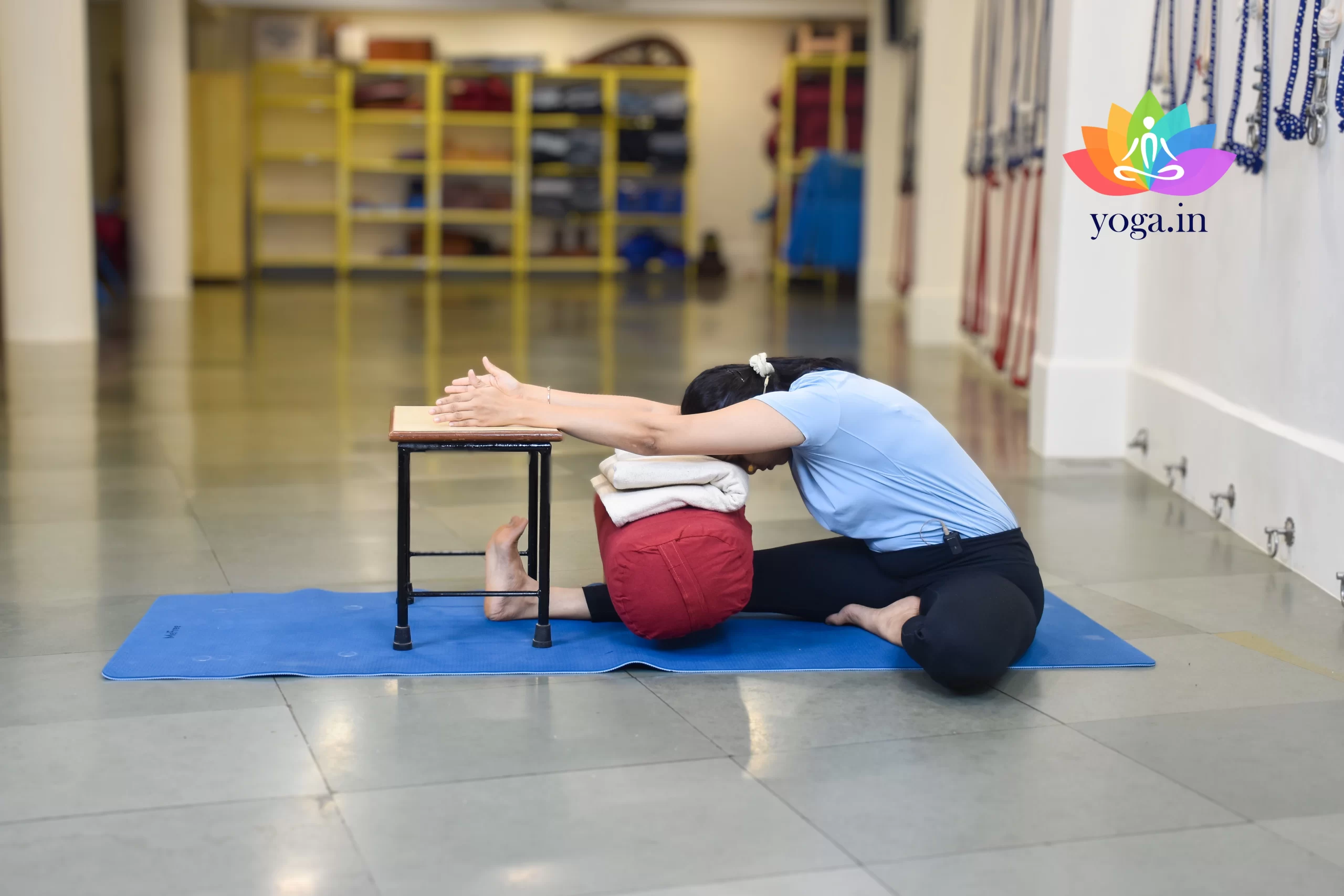
  • Janu Sirsasana for high blood pressure: Promotes circulation and gently stretches the legs, helping alleviate discomfort from varicose veins. Adding head support enhances relaxation and reduces strain on the body.
  • Paschimottanasana for high blood pressure: Improves blood flow to the legs and helps relieve discomfort from varicose veins. Practicing gently with support can enhance relaxation and prevent strain.
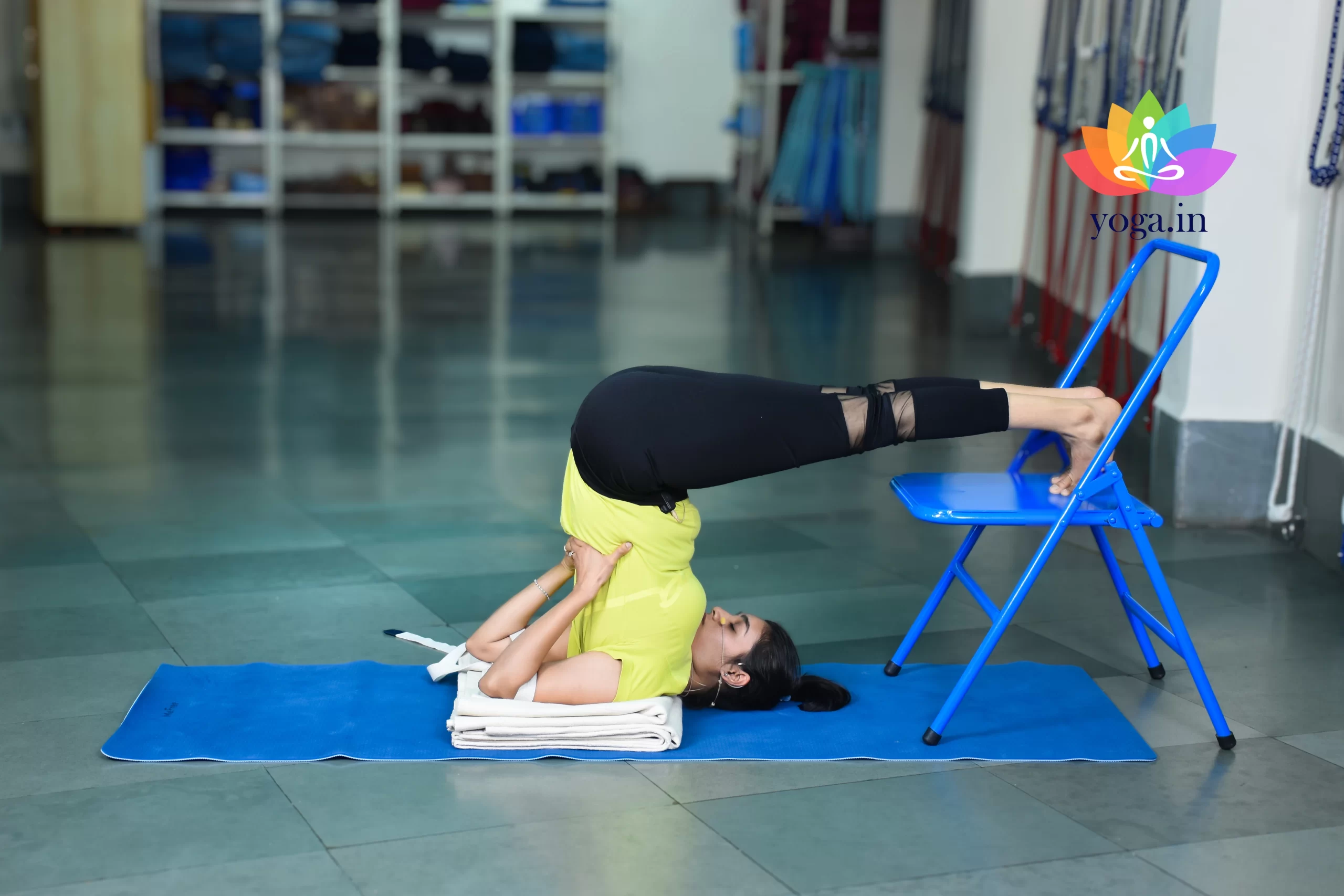
  • Halasana for high blood pressure: Supports venous return by elevating the legs, which can relieve pressure and discomfort from varicose veins. It should be practiced carefully to avoid strain, especially in sensitive individuals.
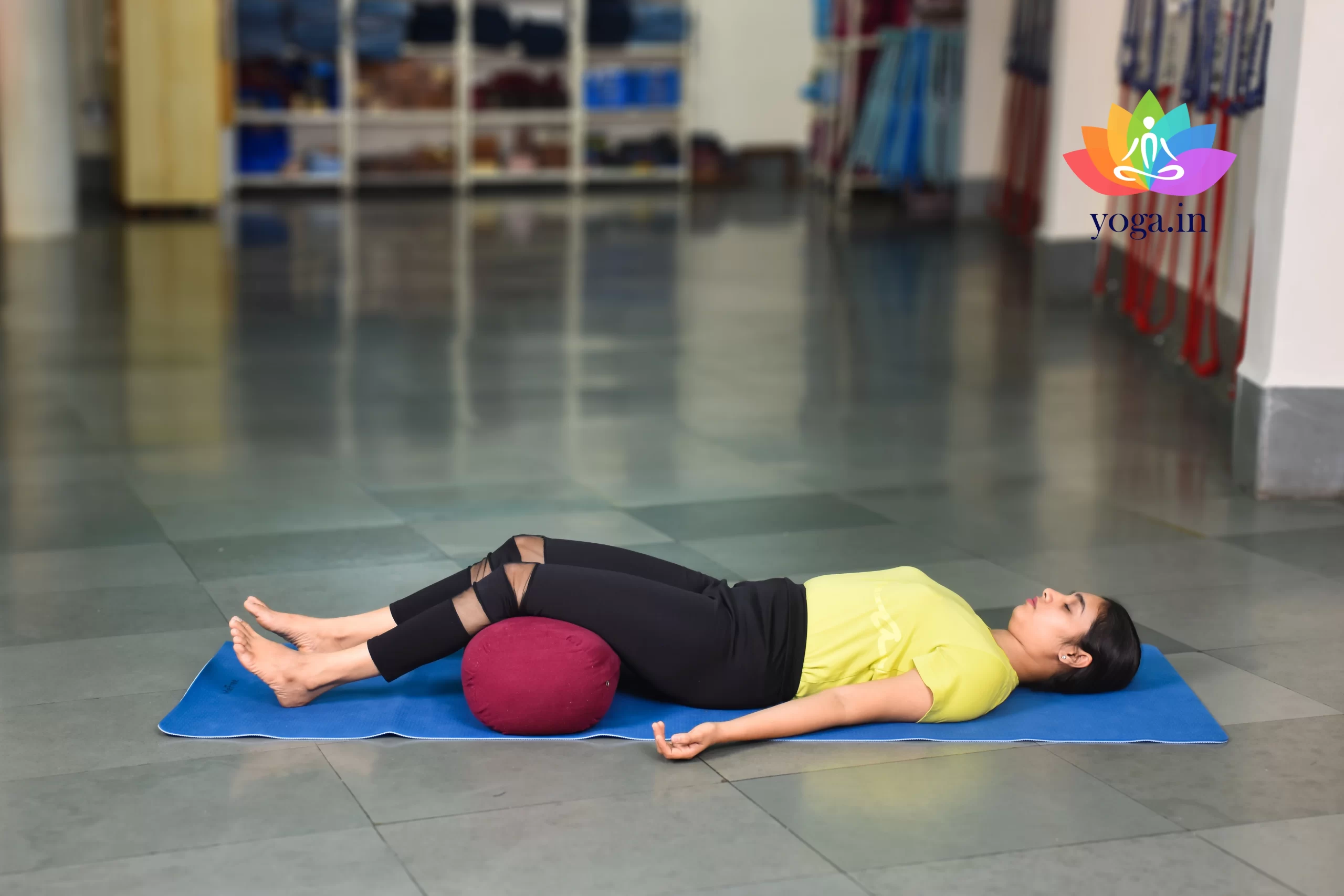
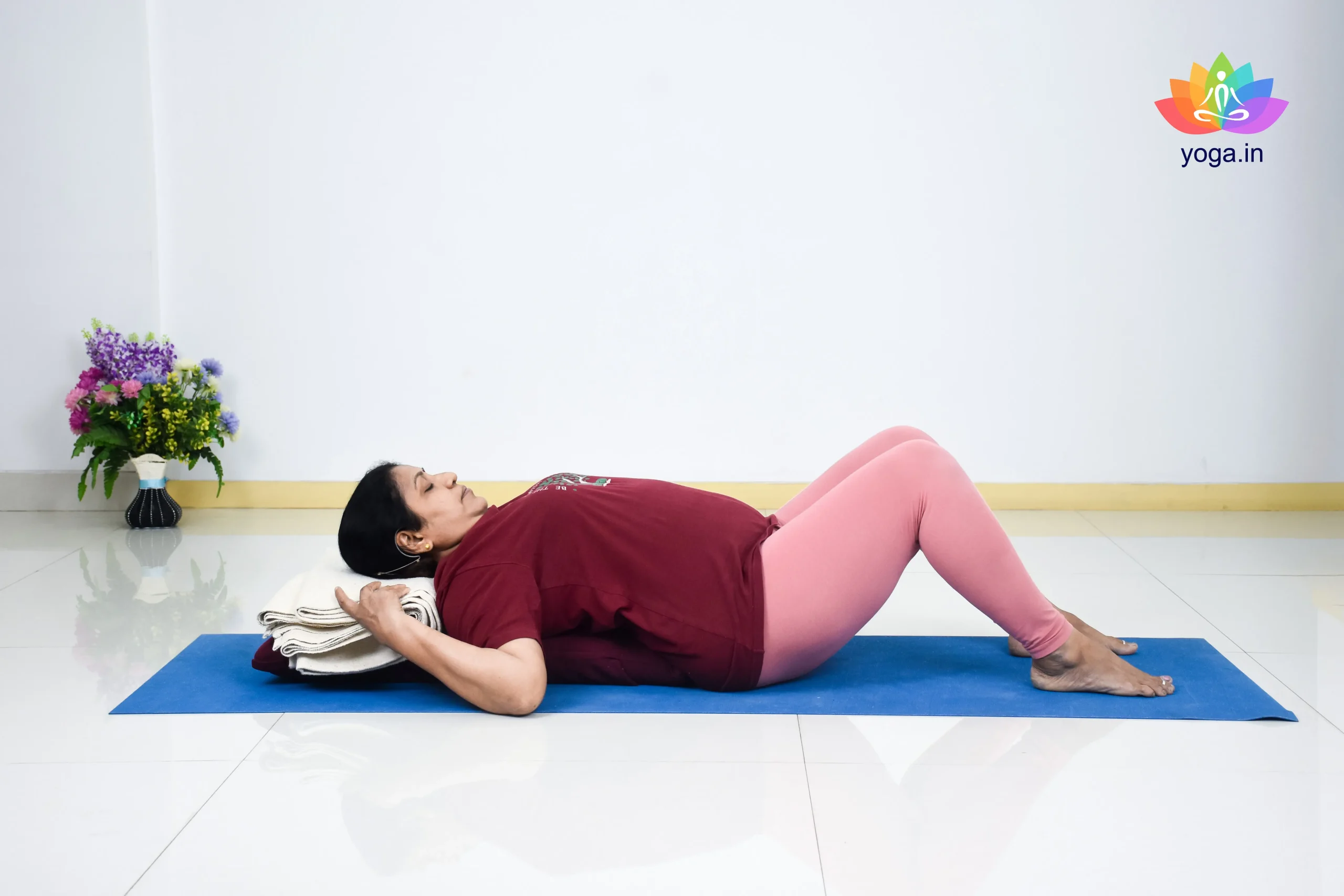
  • Savasana for high blood pressure: Promotes deep relaxation and improves overall circulation, helping to alleviate discomfort from varicose veins. Elevating the legs during the pose can enhance its benefits.
Pranayama for High Blood Pressure
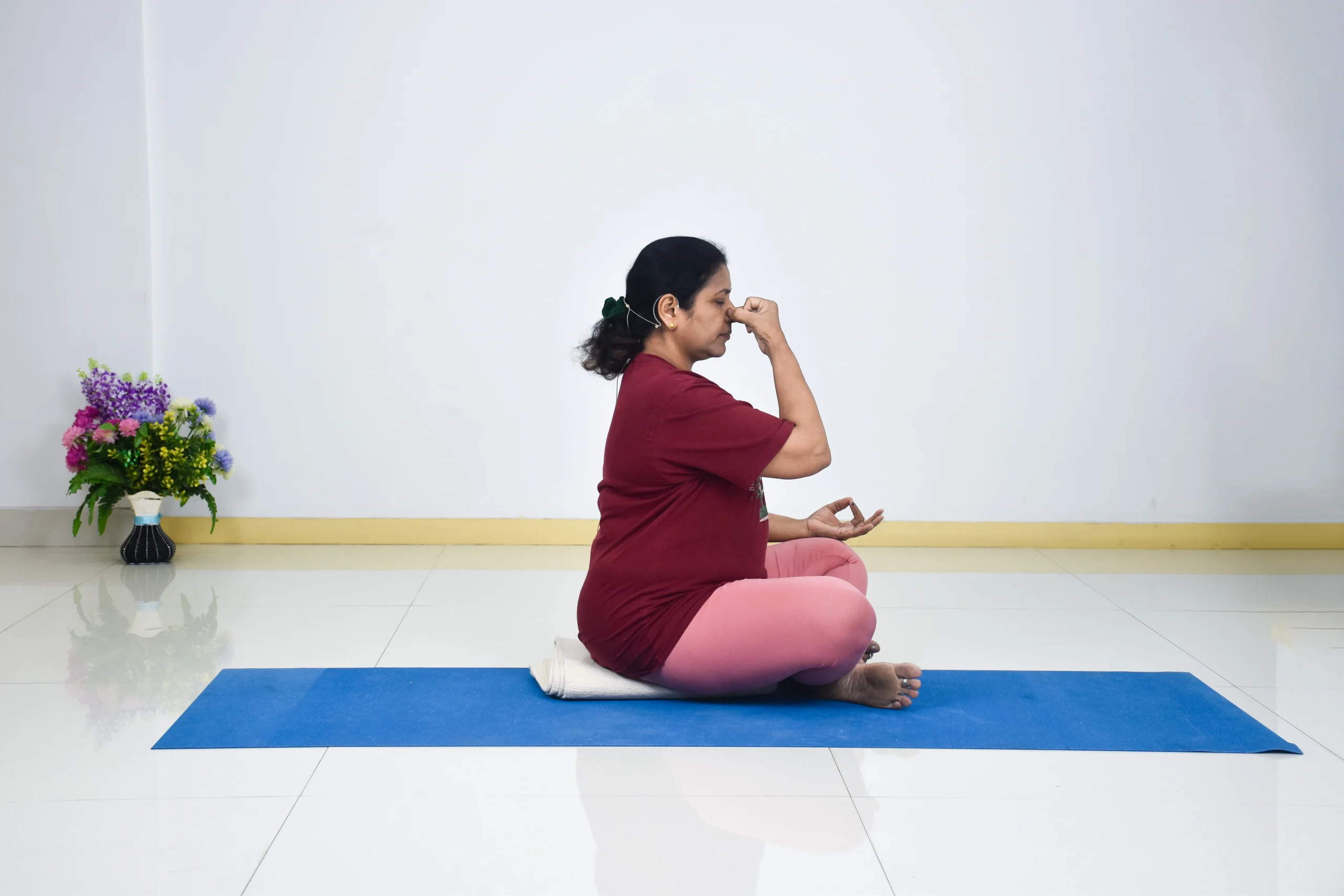
  • Chandra Bhedana: Known as left nostril breathing, it has a calming effect on the nervous system, reducing stress and hypertension. 
  • Ujjayi Pranayama: Enhances lung capacity, promoting balanced oxygen intake.
  • Anulom Vilom Pranayama: Alternate nostril breathing balances the body’s energy, promoting relaxation and blood pressure control. 

Leave a Reply

Video Tutorial Series

Ailments Category

Advance Search

Recent Ailments

Video Tutorial Series

✕

Login to Like

Please login with social account to support this post.

[nextend_social_login]

Find Your Videos

Choose a category