The Sanskrit name is derived from Nava (नाव) meaning boat and asana (आसन) meaning posture or seat.
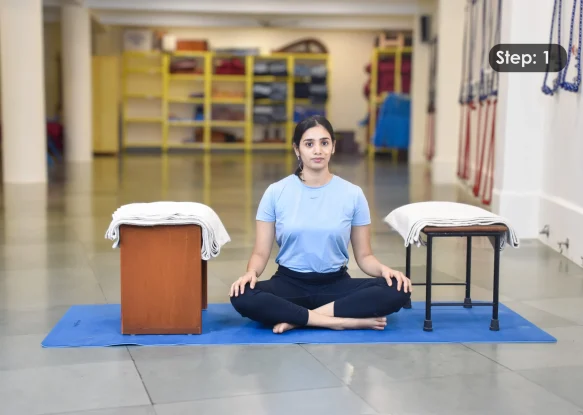
Begin by sitting on the yoga mat with legs extended in front of you (Dandasana).
Sit evenly on both sitting bones, grounding them firmly into the floor.
Keep your spine tall and your shoulders relaxed.
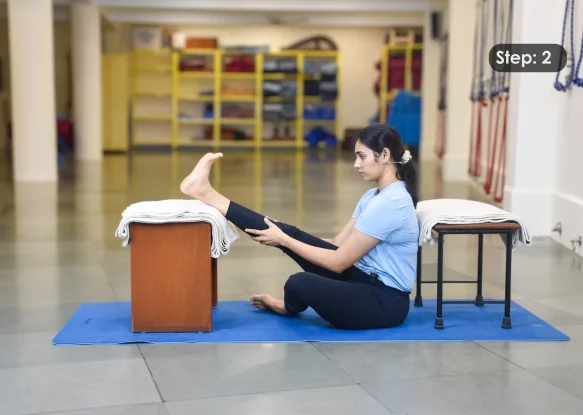
Place the bench behind with the blanket on top of it ensuring that your lower back is supported.
Place the halasana bench and blanket on top of it in front of you.
Bend your knees and place it on the blanket covering halasana bench.
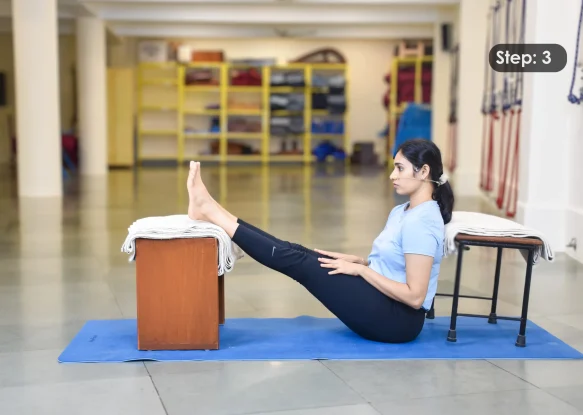
Rest your hands on the thighs.
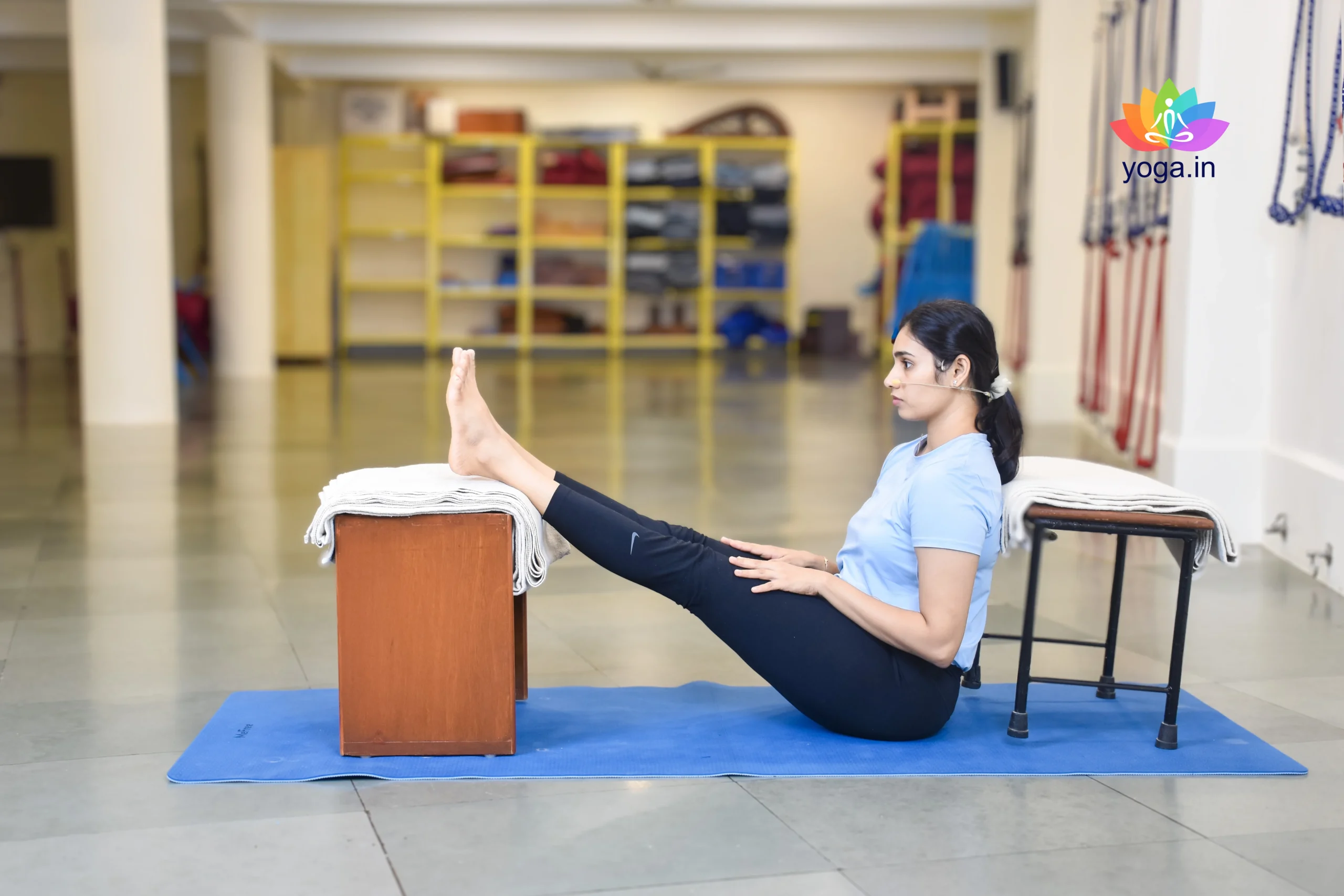
Lean back slightly to balance your sitting bones while keeping your spine straight.
Keep your knees bent at a comfortable angle, forming a “V” shape with your torso.
Balance on your sitting bones and lift your chest, finding stability and strength in your core.
Hold the pose for few seconds.
Keep your gaze forward and your neck relaxed.
Gently release the pose by lowering your feet to the mat, keeping your spine straight
Engage your abdominal muscles by drawing your navel toward your spine.
Rounding the back
Bending the knees too much
Collapsing inward through the chest
Avoid in case of abdominal or lower back surgery or injuries
Avoid during pregnancy
Avoid in case of herniated disc and high blood pressure
Avoid in case of shoulder injury
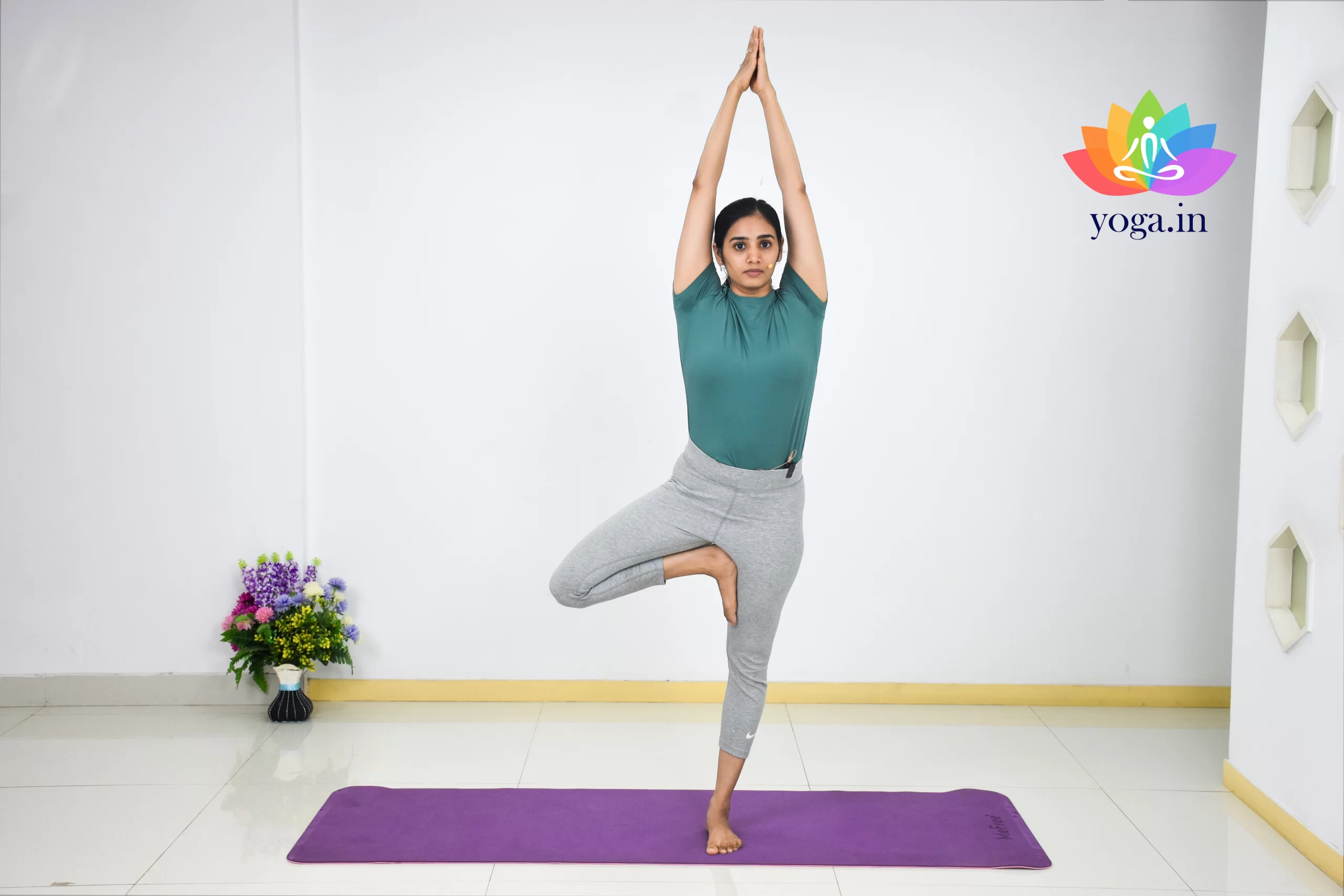
The Sanskrit name is derived from vrksa
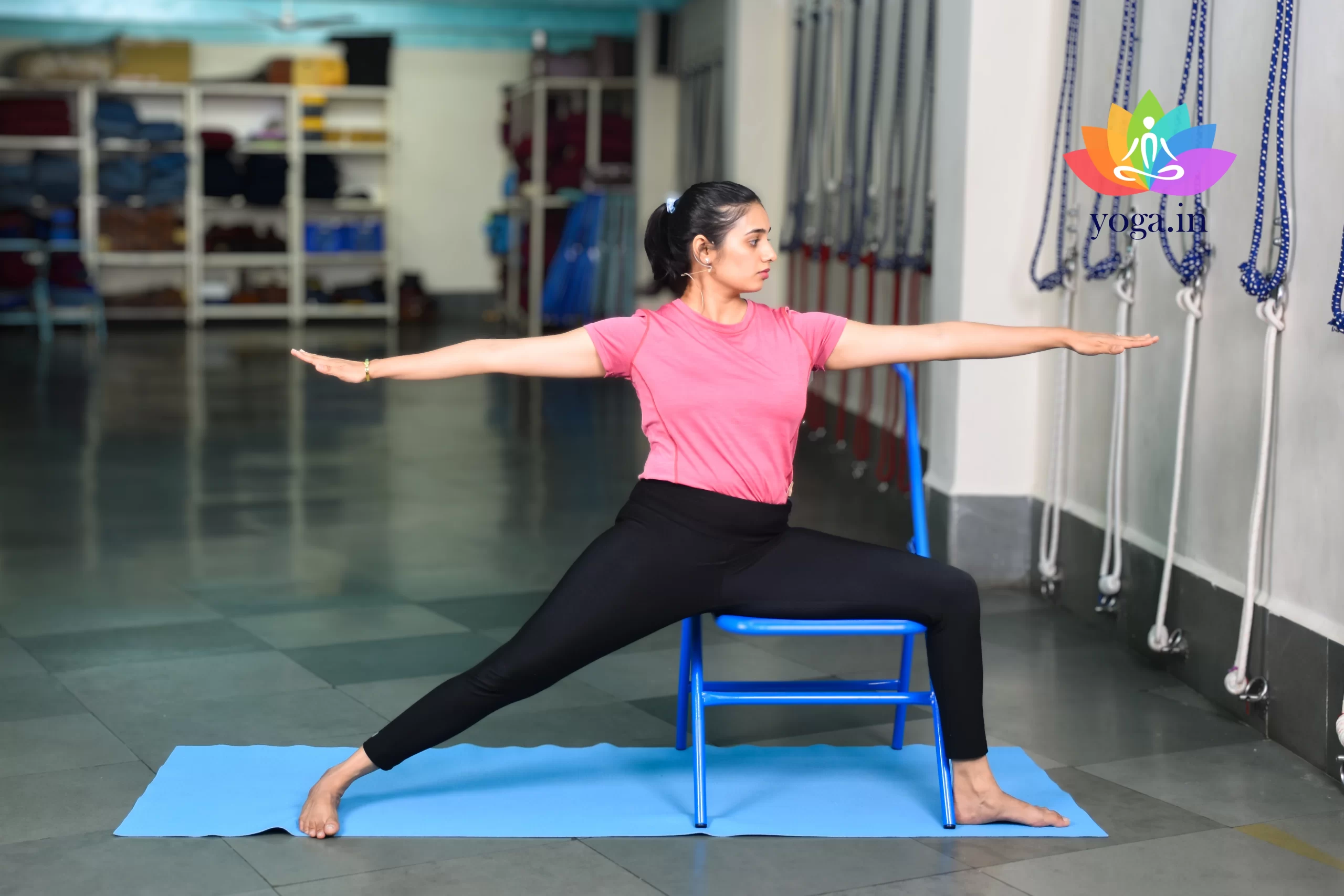
The Sanskrit name is derived from vira
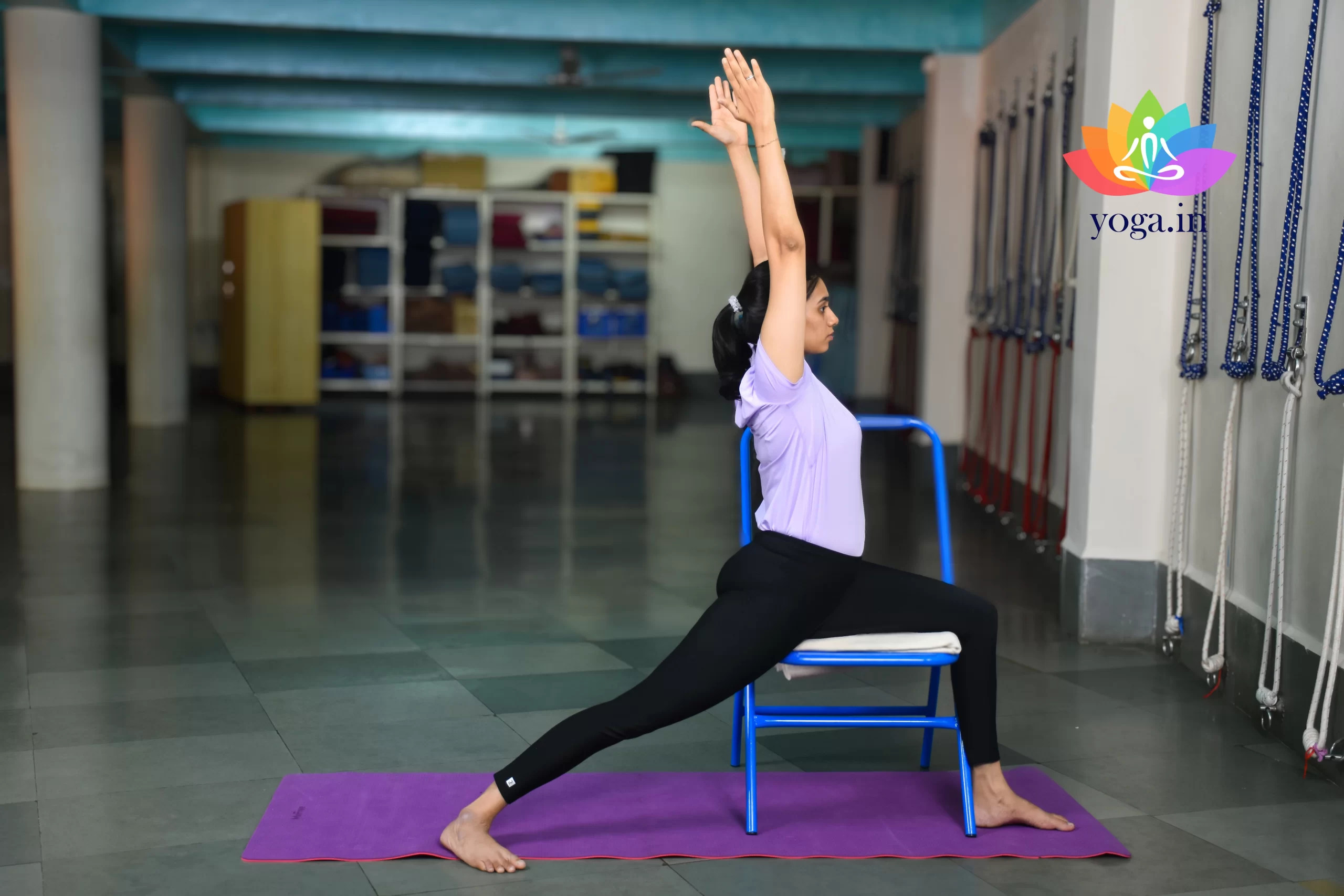
The Sanskrit name is derived from Vira
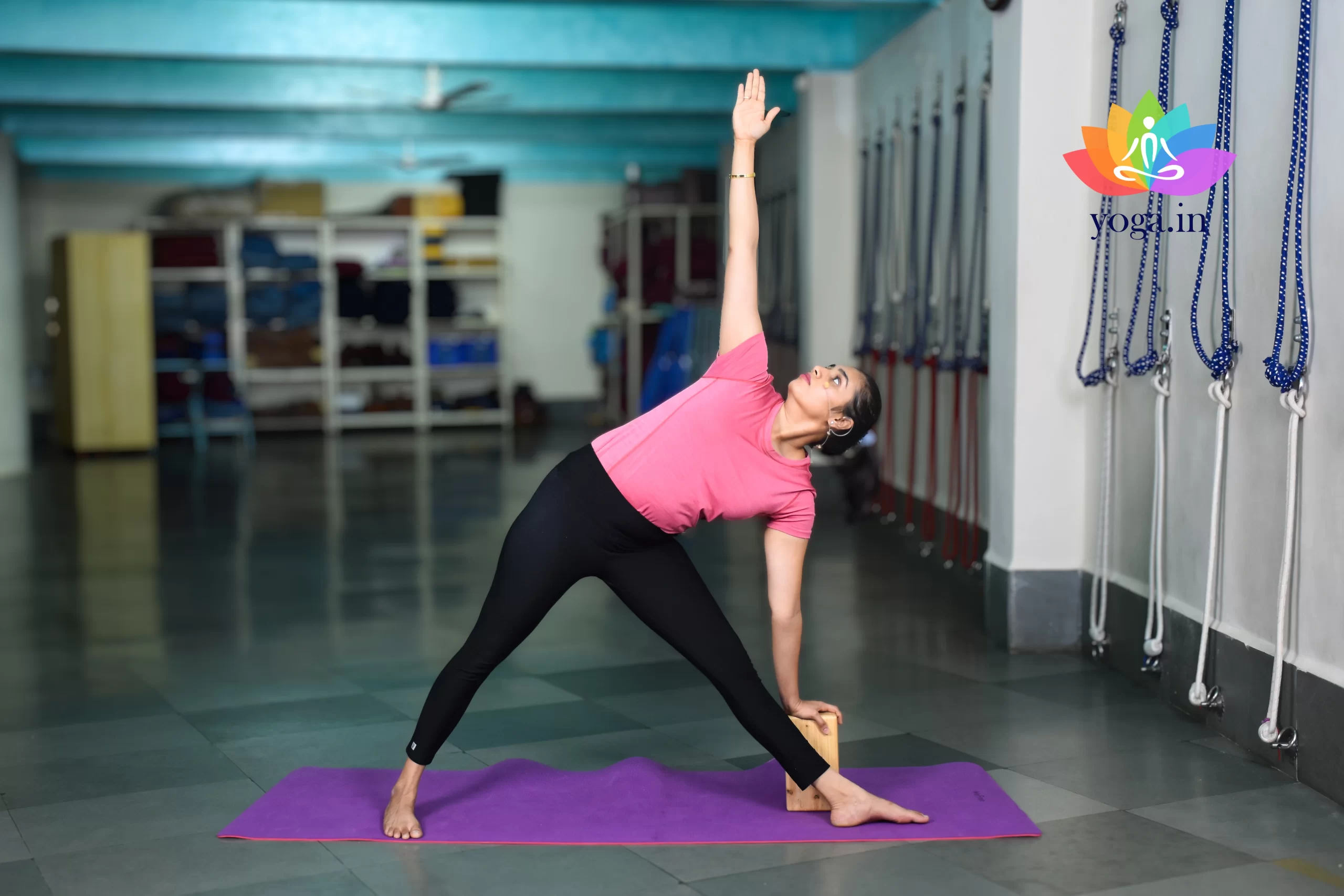
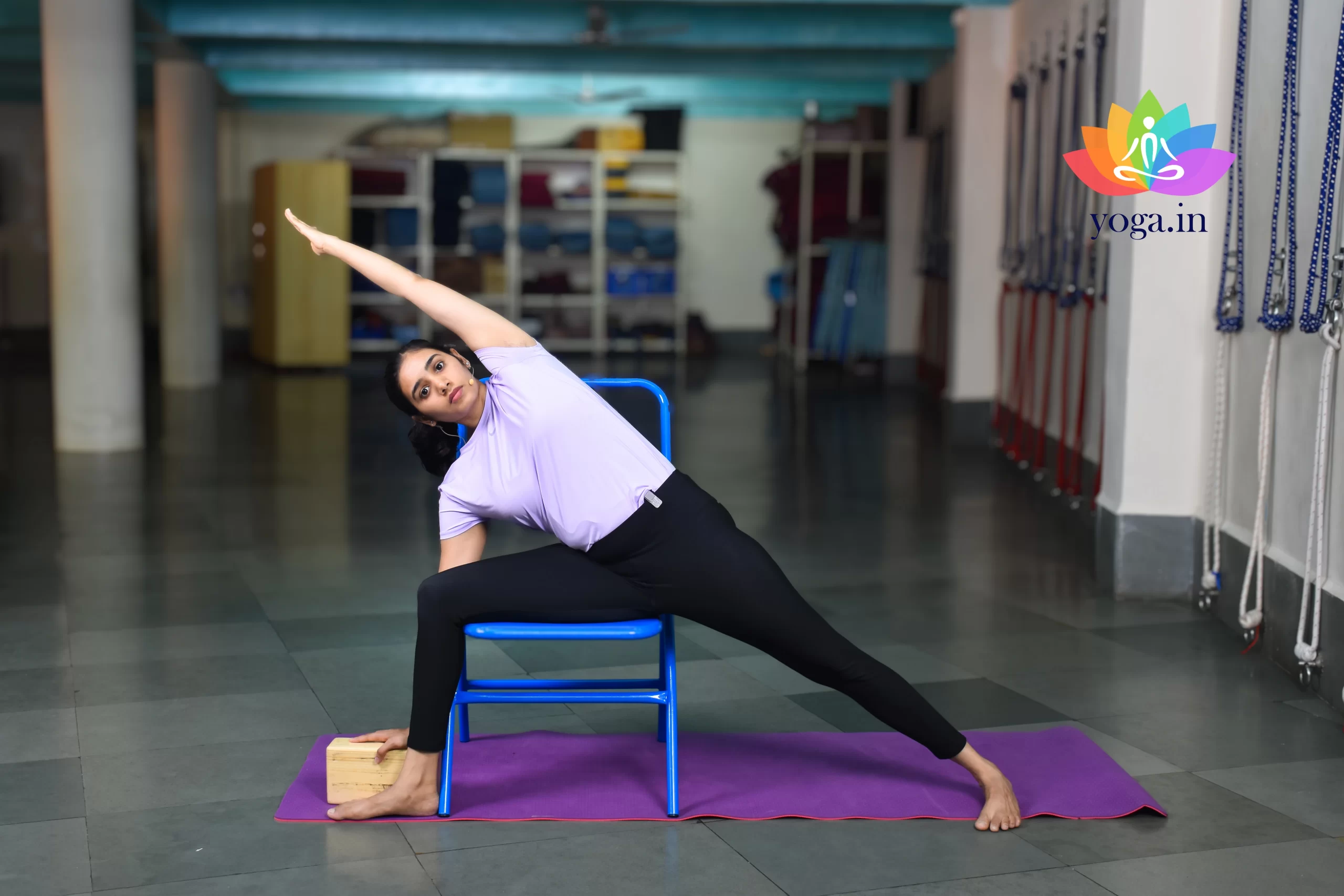
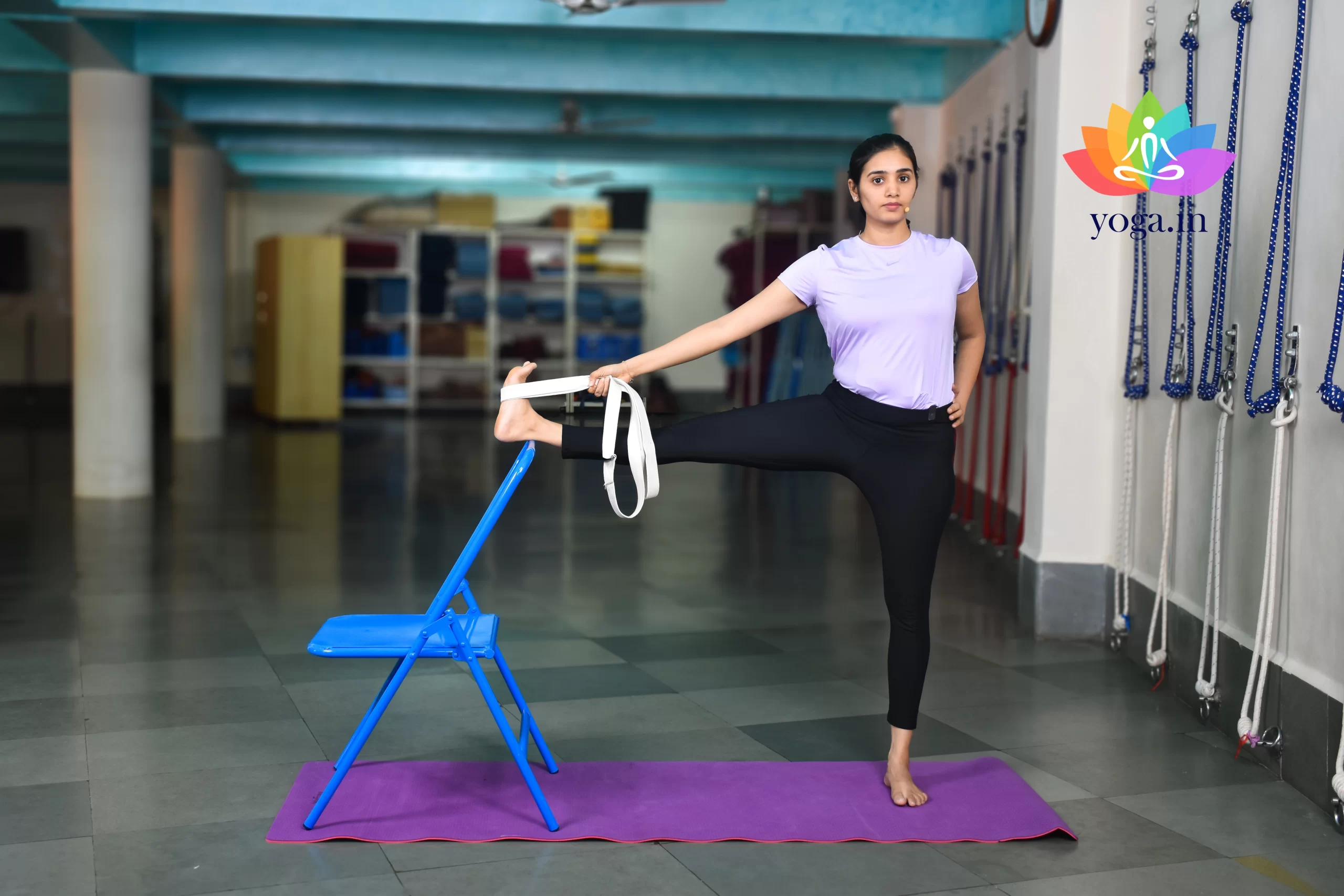
The Sanskrit name comes from the Utthita,
The Sanskrit name is derived from Utthita
The sanskrit name is derived from Utthita
Please login with social account to support this post.