

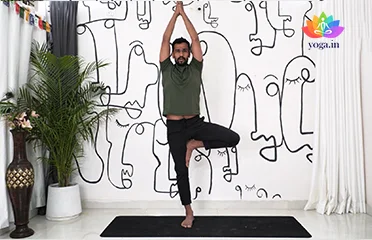
Vrikshasana (Tree Pose)
वृक्षासन / Tree Pose
The Sanskrit name is derived from Vriksha (वृक्षा) meaning tree [¡K]


- 1
- 2
Yoga for Breathlessness: A Safe and Supportive Path to Relief
Yoga can be a valuable tool for managing breathlessness, but it’s crucial to approach it with caution and prioritize seeking guidance from a healthcare professional. Breathlessness, also known as dyspnea, can have various causes, and understanding the underlying reason is essential for creating a safe and effective yoga practice.
Yoga is not a substitute for medical treatment. Always consult a doctor to diagnose the cause of your breathlessness and get guidance on appropriate management strategies.
Understanding Breathlessness:
Breathlessness can be caused by various factors, including:
- Respiratory conditions: Asthma, chronic obstructive pulmonary disease (COPD), and heart failure are some common causes.
- Deconditioning: Lack of physical activity can lead to reduced lung capacity and breathlessness.
- Anxiety: Anxiety attacks can trigger feelings of breathlessness.
Benefits of Yoga for Breathlessness (if cleared by a doctor):
While yoga isn’t a cure, it can offer some benefits for managing breathlessness, particularly if cleared by your doctor:
- Improved Breath Awareness: Yoga emphasizes mindful breathing techniques (pranayama) that can enhance awareness of your breath and potentially improve control.
- Stress Reduction: Practices like meditation and gentle movements can promote relaxation and reduce anxiety, which may indirectly help with breathlessness triggered by anxiety.
- Increased Lung Capacity (with caution): Certain gentle breathing exercises may help improve lung capacity over time, but it’s crucial to proceed with caution and guidance from a qualified professional.
- Improved Strength and Stamina: Gentle yoga exercises can improve overall strength and stamina, which may help reduce breathlessness during daily activities.
Safe Yoga Practices for Breathlessness (if cleared by a doctor):
Here are some general guidelines for incorporating yoga into your routine if you experience breathlessness, but remember to prioritize seeking guidance from a qualified professional and getting clearance from your doctor:
- Focus on Gentle Movements: Prioritize gentle stretches and restorative poses that don’t require strenuous exertion.
- Prioritize Breath Control: Focus on slow, deep, and controlled breathing throughout your practice.
- Listen to Your Body: Stop if you experience any discomfort, shortness of breath, dizziness, or chest pain.
- Modify as Needed: Don’t hesitate to modify yoga poses to suit your individual needs and limitations. Use props like bolsters for added support.
- Practice in a Well-Ventilated Space: Ensure you’re practicing in a well-ventilated area with fresh air circulation.
Additional Tips:
- Warm Up and Cool Down: Perform gentle warm-up exercises before starting your practice and cool down with relaxation techniques afterward.
- Start Slowly: Begin with short practice sessions and gradually increase the duration as tolerated.
- Consult a Qualified Yoga Therapist: Seek guidance from a qualified yoga therapist experienced in working with individuals with respiratory conditions.
- Maintain Open Communication with Your Doctor: Keep your doctor informed about your yoga practice and any changes you experience.
Remember:
Yoga can be a valuable tool for managing breathlessness, but prioritizing professional medical advice is crucial. Listen to your body, and always prioritize your safety and well-being.