The word “Ujjayi” comes from Sanskrit routes were “Ujjayi” means “victorious” in Sanskrit. Ujjayi Pranayama involves a slight constriction of the throat, creating a soft hissing sound as you breathe. This pranayama is known for its calming and balancing effects, enhancing mental clarity and focus. “Pranayama” is derived from “prana,” meaning “life force energy,” and […]

The word “Ujjayi” comes from Sanskrit routes were “Ujjayi” means “victorious” in Sanskrit. Ujjayi Pranayama involves a slight constriction of the throat, creating a soft hissing sound as you breathe. This pranayama is known for its calming and balancing effects, enhancing mental clarity and focus. “Pranayama” is derived from “prana,” meaning “life force energy,” and […]
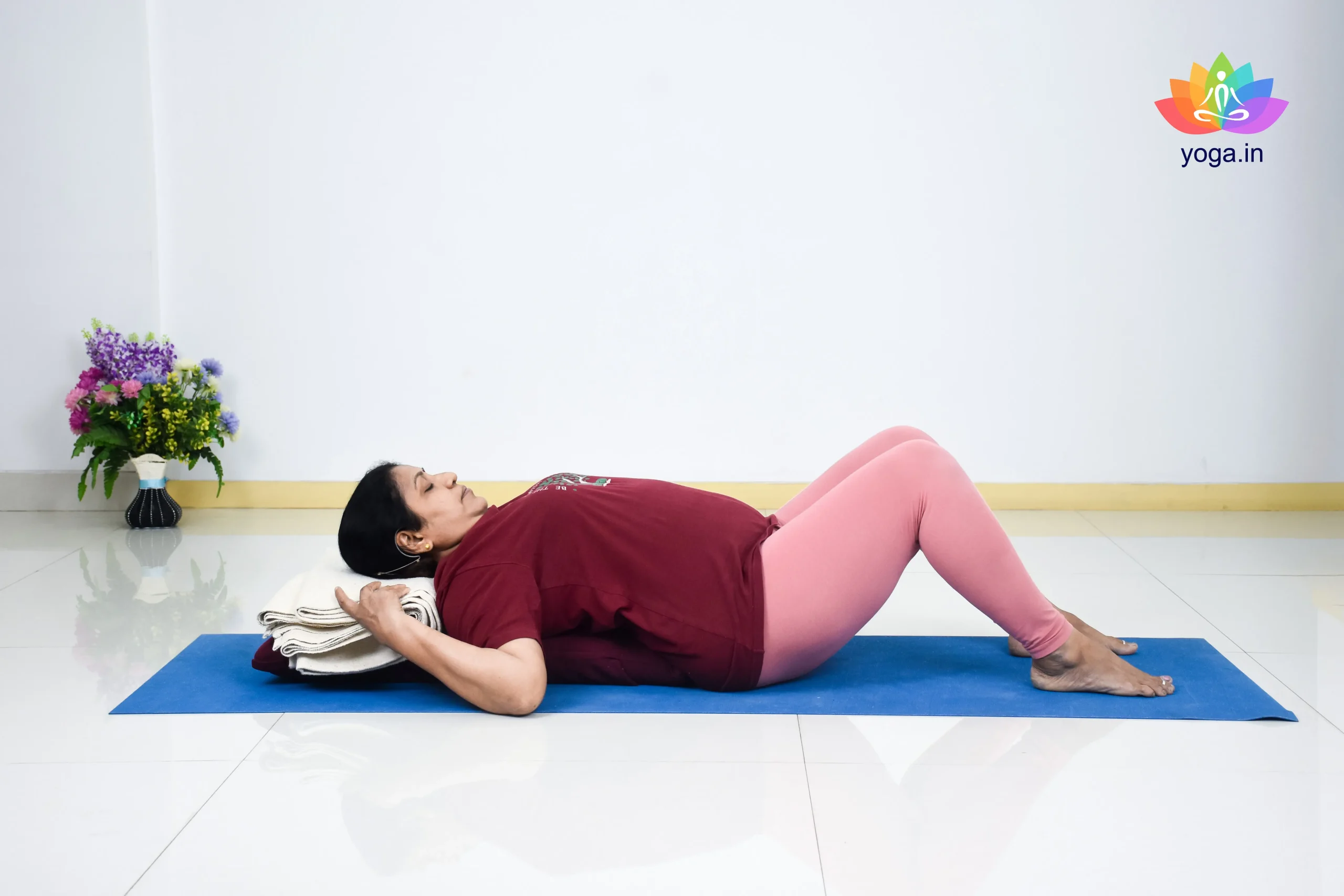
Find a quiet and comfortable place where you can sit undisturbed.
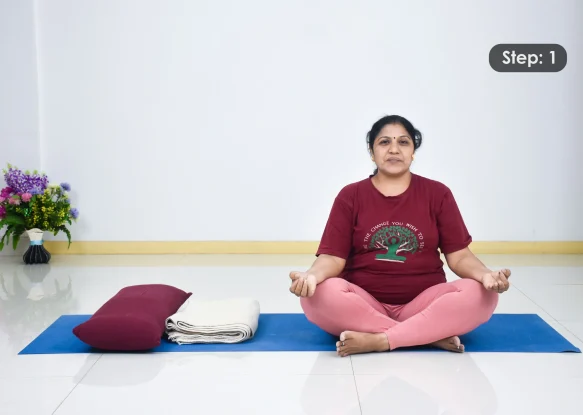
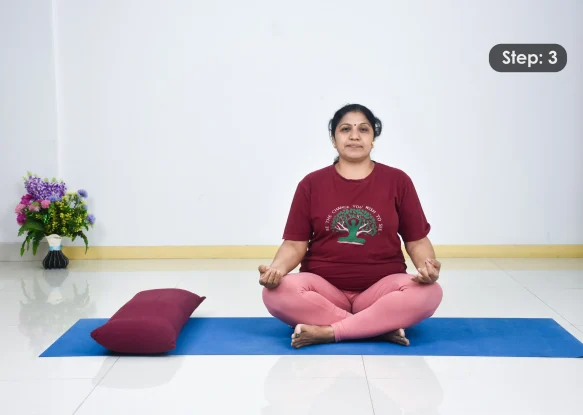
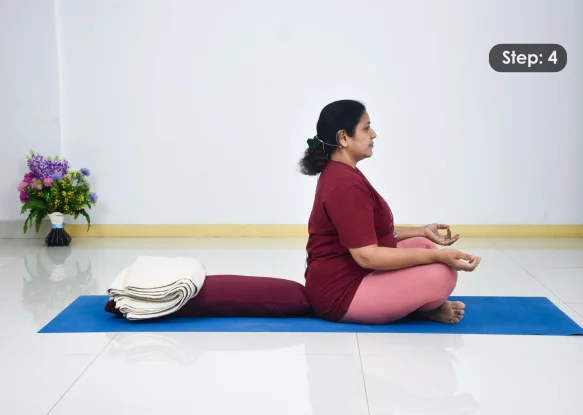
Sit in a comfortable position, such as cross-legged (Sukhasana) or on a chair with your feet flat on the ground.
Keep your back straight and shoulders relaxed.
Rest your hands on your knees in any comfortable position or in Chin Mudra (touching the thumb and index finger together) for added focus.
Begin by taking a deep breath through your nose.
Slightly constrict the back of your throat, creating a soft hissing or ocean-like sound as you inhale and exhale.
Breathe deeply and steadily, maintaining the gentle constriction in your throat throughout the practice.
Inhale slowly and deeply through your nose, filling your lungs completely while maintaining the throat constriction.
Exhale slowly and completely through your nose, keeping the throat constriction intact.
Continue this pattern of deep, steady, and audible breaths for several minutes.
As you breathe, focus on the sound and sensation of your breath, allowing it to bring calm and clarity to your mind.
Conclude the practice with a few moments of deep, slow breathing to bring balance and harmony.
Maintain a straight spine and relaxed shoulders
Focus on the gentle constriction at the back of the throat
Ensure smooth, steady, and audible breaths
Avoid in case of severe respiratory conditions
Avoid in case of Heart Problems
Avoid in case of Hypotension
Please login with social account to support this post.